Indonesia, with its vast archipelago and diverse population, is a country rich in cultural heritage. Among the most significant aspects of Indonesian culture are adat (customs) and tradisi (traditions), which have been passed down through generations. These customs are deeply rooted in the lives of the people and play a vital role in shaping their identity, social structure, and way of life. From elaborate ceremonies to daily rituals, the adat and tradisi of Indonesia reflect the nation’s unique blend of indigenous beliefs, religious practices, and historical influences.
The Meaning of Adat and Tradisi in Indonesia
According to the Kamus Besar Bahasa Indonesia (KBBI), tradisi refers to “kebiasaan turun-temurun dari nenek moyang yang masih dijalankan dalam masyarakat.” In other words, it is a custom or practice that has been handed down from generation to generation. Adat, on the other hand, encompasses the broader concept of local customs, norms, and traditions that guide the behavior of communities. Together, these elements form the backbone of Indonesia’s cultural identity and are considered part of the intangible cultural heritage.
These traditions are not static; they evolve over time while still maintaining their core values. They serve as a bridge between the past and present, helping to preserve the unique identities of various ethnic groups across the archipelago.
Notable Examples of Adat & Tradisi Indonesia
1. Sekaten – Jawa
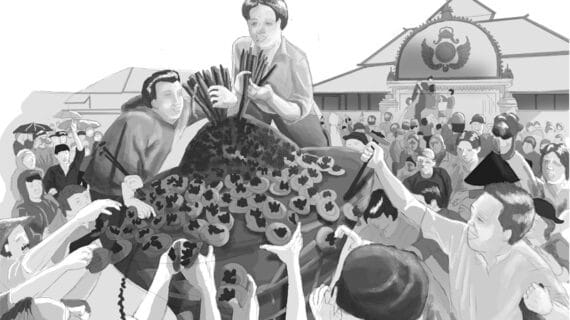
Sekaten is a traditional ceremony held annually in Yogyakarta to commemorate the birth of the Prophet Muhammad. This event, which takes place in the Alun-Alun Utara Kraton, is marked by a grand procession of gunungan (mountains of food and offerings) carried by abdi dalem (court servants). The ceremony reflects the deep Islamic influence in Javanese culture and serves as a reminder of the region’s spiritual and cultural heritage.
2. Tedak Siten – Jawa

Tedak siten is a Javanese tradition that celebrates a child’s first steps. During this ritual, the baby is placed in a chicken coop and given symbolic items such as books, pens, and money to represent the future paths the child may take. This ceremony is a beautiful expression of parental hopes and blessings for the child’s future.
3. Nganggung – Kepulauan Bangka Belitung
Nganggung is a communal tradition where families bring food to a central gathering point, such as a mosque or open space, to strengthen social bonds. Each family contributes one dulang (bowl) of food, symbolizing unity and mutual support. This practice highlights the importance of gotong royong (mutual cooperation) in Indonesian society.
4. Ngayah – Bali
In Bali, ngayah refers to voluntary community service, often performed to support religious or cultural events. This practice fosters a sense of togetherness and ensures the smooth running of important ceremonies. It is a reflection of the Balinese philosophy of Tri Hita Karana, which emphasizes harmony between humans, nature, and the divine.
Other Key Aspects of Adat & Tradisi Indonesia
Traditional Clothing
Indonesian traditional attire varies greatly across regions. For example:
– Batik in Java, recognized by UNESCO as an Intangible Cultural Heritage.
– Kebaya in Bali, worn during formal occasions.
– Ulos in Sumatra, used in Batak rituals.
These garments are more than just clothing; they carry deep cultural significance and are often worn during ceremonies, weddings, and religious festivals.
Religious and Traditional Festivals
Religion plays a central role in Indonesian traditions. Major festivals include:
– Idul Fitri (Eid al-Fitr) – a celebration of the end of Ramadan.
– Nyepi – the Day of Silence in Bali, where the entire island observes a day of peace and reflection.
– Toraja Funeral Ceremonies – complex rituals involving buffalo sacrifices and traditional dances.
These festivals are not only religious events but also opportunities for communities to come together and celebrate their heritage.
Music and Dance
Traditional music and dance are integral to Indonesian culture. Some notable examples include:
– Gamelan – a percussion ensemble from Java and Bali.
– Legong Dance – a graceful dance performed by young girls in Bali.
– Saman Dance – a fast-paced group dance from Aceh.
These art forms are often performed during ceremonies and festivals, preserving the stories and values of the communities.
Conclusion
The adat and tradisi of Indonesia are a testament to the country’s rich cultural diversity. These customs, whether in the form of ceremonies, clothing, or arts, continue to shape the lives of Indonesians and connect them to their ancestors. Despite the pressures of modernization, many communities remain committed to preserving their traditions, ensuring that the legacy of Indonesia’s cultural heritage endures for future generations.
For travelers and cultural enthusiasts, experiencing these traditions firsthand offers a deeper understanding of Indonesia’s soul and spirit. By embracing and respecting these customs, we can all contribute to the preservation of one of the world’s most fascinating cultural landscapes.